

How much sleep do dogs need?
There is no single perfect number for every dog. Age, activity, health, environment, and the individual dog all shape the pattern.
By Tail & Treat Editorial Team · Published Sep 17, 2026 · Updated Sep 17, 2026
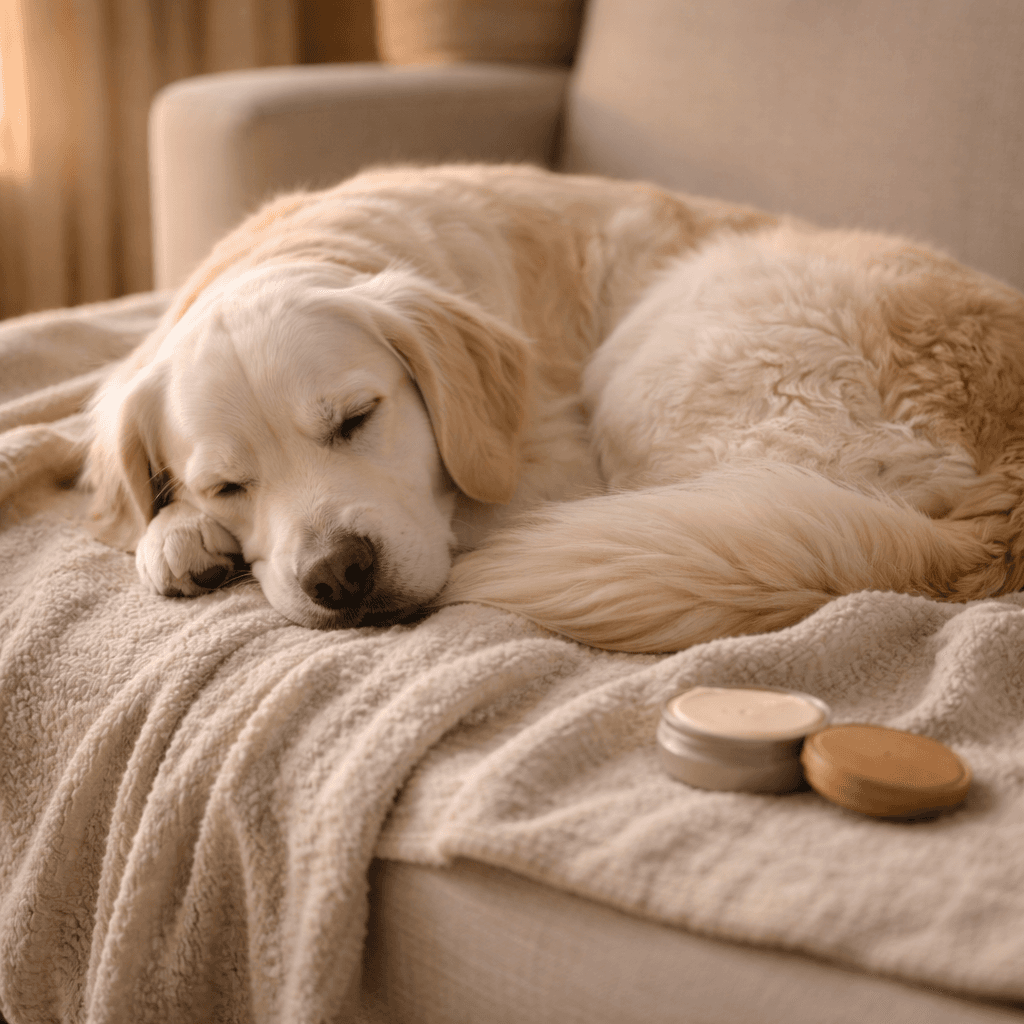
A useful range, not a target
VCA Animal Hospitals says most adult dogs spend at least half of a 24-hour day asleep and that 10 to 14 hours can both fall within normal variation. Daytime naps can be normal even after a full night's sleep.
Use that as broad context. Your dog's established pattern and overall behavior are more useful than trying to make every day match a fixed total.
Puppies, adults, and senior dogs
- Puppies: young puppies may spend most of the day sleeping between short bursts of activity, learning, eating, and toileting.
- Adults: sleep is commonly split between nighttime sleep and naps, with substantial variation among individuals.
- Seniors: patterns may change with age, but increased daytime sleep, nighttime pacing, or a disrupted sleep-wake cycle can also accompany medical or cognitive problems.
VCA's senior behavior guidance recommends discussing changes such as more daytime sleep, less nighttime sleep, pacing, or nighttime vocalizing with a veterinarian.
What to observe
Instead of tracking hours alone, note when and where your dog sleeps, whether they can settle comfortably, and whether the pattern changes alongside appetite, toileting, breathing, movement, play interest, or social behavior.
For senior dogs, Cornell University College of Veterinary Medicine lists nighttime wandering and increased daytime sleep among possible signs of cognitive dysfunction. Those signs need veterinary assessment rather than a new bed or schedule alone.
Support rest without forcing it
Give your dog access to a clean, comfortable resting area and protect it from unnecessary interruption. Keep appropriate exercise, social contact, meals, water, and toileting in the rest of the day.
For a practical sequence around the evening, read How to Build an Evening Routine for Your Dog. The broader Dog Rest and Wind-Down Guide connects sleep, resting areas, bed selection, and placement.
Sources and further reading
Educational information only. Contact a veterinarian about a significant change in sleep or any change accompanied by breathing difficulty, pain, weakness, confusion, appetite changes, or altered toileting.